Sometimes my best option is to write code on the go rather than using libraries or searching for ready-to-use code. I’ve made a short script for parsing URLs and putting the result into my Google Sheet.
As a developer it is always interesting to see how other people approach problems. This little snippet from Max Makhrov caught my eye because the approach to parsing data in a Google Sheet wasn’t one I’d seen before. Follow the source link to have a look yourself…
Cleanse Google Sheet data by searching for specific words in a columns and replacing them with an alternative. Colour any cell changes to highlight. This is one of many ways of performing the task simply using loops.
A list of words to find and their replacement equivalent.
Extract a list of members of a Google Group (email address and role) into a Google Sheet. You simply enter the email address of the Google Group that you belong to and then run the Function.
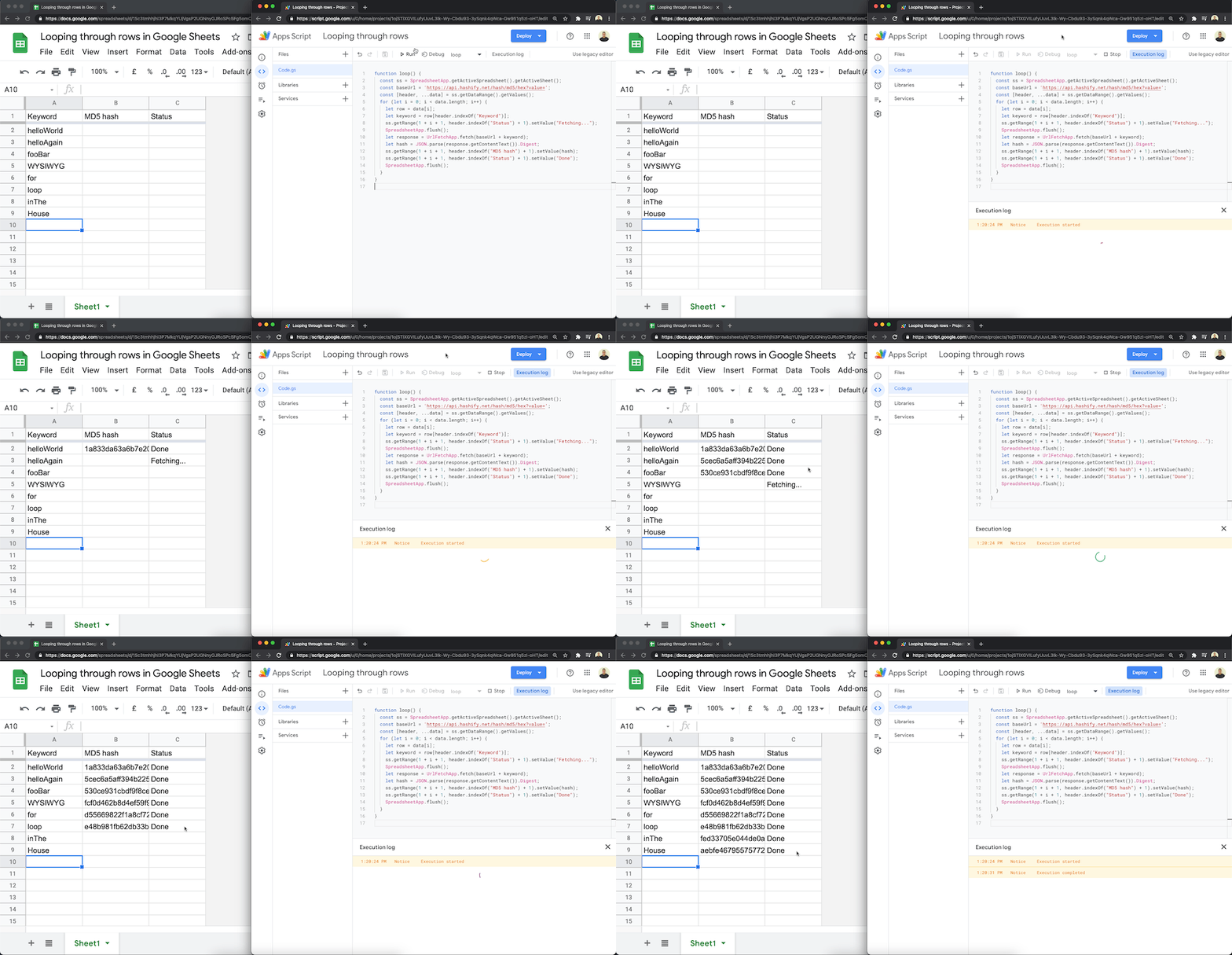
show a processing status in a cell when looping through rows in google sheets using google apps script.
When working with small batches of data it can be useful to show the user that the data is being processed. Here is an example script from Sourabh Choraria which use SpreadsheetApp.flush() to force write updates to a Google Sheet. As this method relies on .setValue() instead of .setValues() it’s worth keeping in mind for bigger data sets that using HTMLService and a custom dialog or Speadsheet.toast()
If the .setValue()/.flush() Al from coda has provided this gist
To make this work, you need to add a Sparkline() function to your Google Sheet that references a hidden “For progress” column: pic.twitter.com/jk87wvuuyj
Christian Heilmann’s tweet – Feature request for Gmail: automatically find and follow the unsubscribe link in all highlighted emails – prompted me to build an automated system for unsubscribing your Gmail address from the bulk senders. Here’s how it looks…
This is an older example from Amit Labnol that recently pinged my Google Alerts from this Best Unroll.me Alternatives post. The source post from Amit has some nice details about how marketing emails are marked up and the code shared might be a nice starter for your own solution.
Google Sheets has a powerful find and replace function. But you may want to use Google Apps Script to do the same job. StackOverflow has a question on this. The accepted answer would require you to loop through all cells, find the text, replace it and post the new text back to the cell. Google Apps Script has a more powerful, and simpler, method called TextFinder.
Usual post highlighting the TextFinder method which you can use to find and replace text in Google Sheets. The post has more information about this method and how to use it.
A lot of users try and quickly learn GAS and use it to make their lives easier. It’s all great, however the code we sometimes tend to come across on StackOverflow and other sites lacks best practices, hence I thought it was time to start bringing them up and I will start today with design patterns.
As noted by the post author Dmitry Kostyuk the Google Apps Script V8 runtime opens up many new coding opportunities previously not available to Apps Script developers. Using the common use case, fetching data and writing it to a Google Sheet, Dmitry explains how the façade and proxy code patterns can be used to write efficient easy-to-read code.
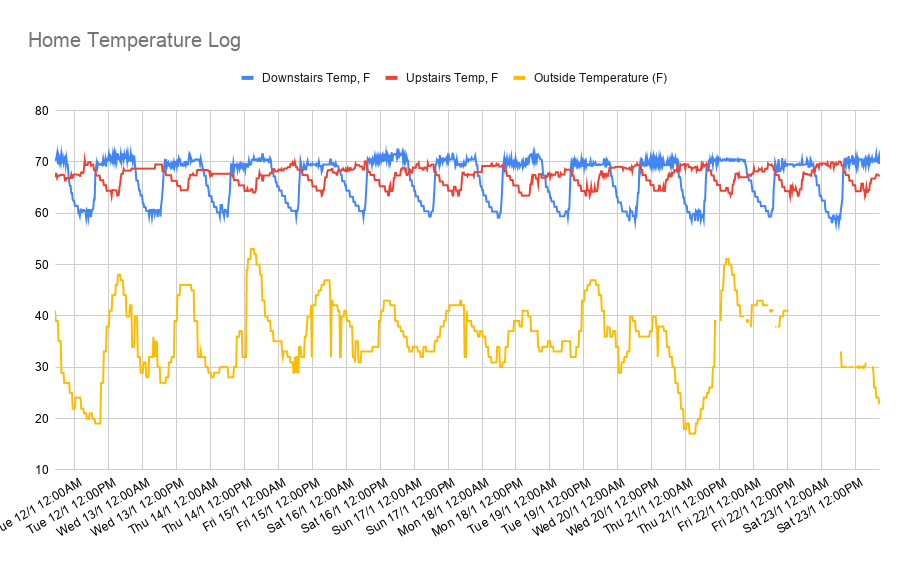
If you have a Nest thermostat at home, you can access it from your Google Sheet by using Apps Script to connect to the Smart Device Management API. It means you can do some cool stuff like build a virtual, working Nest thermostat in your Google Sheet